
Winter Moving in Omaha and Lincoln: Nebraska Cold-Weather Checklist for a Safe Move
Moving during Nebraska’s winter months means dealing with ice-covered driveways, frigid temperatures that can damage belongings, and snow that blocks truck access. This guide covers winter moving tips Omaha and Lincoln residents need to protect furniture, stay safe on moving day, and work with professional movers who understand harsh weather conditions.
Winter moves don’t have to be stressful nightmares. With the right preparation and knowledge of what cold weather does to your belongings and property, you can complete a successful move even when temperatures drop below zero. Nebraska winters are unpredictable, but your moving plan doesn’t have to be.

Why Moving in Winter Nebraska Requires Different Planning
Winter weather creates obstacles that simply don’t exist during spring or summer moves. Snowstorms can arrive with little warning, turning a straightforward moving day into a logistics puzzle. Ice makes every surface dangerous, from your front steps to the truck ramp. Cold air causes materials to contract, making furniture more brittle and cardboard boxes weaker.
Temperature extremes affect more than just comfort. Electronics can suffer damage from rapid temperature changes when moved from a heated home into a freezing truck. Wood furniture can crack when exposed to severe cold. Even your moving truck needs special attention, as hydraulic lifts and ramps can freeze or become dangerously slick.
The National Weather Service provides winter weather safety guidelines that apply directly to moving scenarios. Understanding these risks helps you protect both your property and the people helping you move.
Pre-Move Weather Monitoring and Timing Strategy
Check weather forecasts daily for at least one week before your scheduled moving date. Nebraska weather can shift dramatically, and what looks like a clear day three days out might turn into a blizzard. Have backup dates ready if possible, or at least a contingency plan for delayed loading or unloading.
Early morning moves in winter have advantages. Roads are often plowed by dawn, and you’ll have maximum daylight hours. However, morning temperatures are coldest, so balance visibility against comfort and safety needs.
Watch for these specific weather warnings:
- Wind chill advisories (exposed skin can freeze in minutes)
- Ice storm warnings (roads and walkways become impassable)
- Heavy snow forecasts (access and visibility problems)
- Extreme cold warnings (equipment failure risks increase)
The winter storm preparedness recommendations from FEMA include protocols that directly apply to protecting your home and belongings during a move. These guidelines help you understand when conditions are genuinely dangerous versus just uncomfortable.
Your Cold Weather Moving Checklist
A standard moving timeline needs winter-specific additions. Start these preparations at least two weeks before moving day:
Four Weeks Before:
- Book movers early (winter availability is often better, but reliable companies still fill up)
- Inspect both properties for ice hazards and drainage problems
- Purchase or rent snow removal equipment
- Test all heating systems at your new home
Two Weeks Before:
- Stockpile salt, sand, or ice melt for driveways and walkways
- Arrange for snow removal service if needed
- Buy protective materials (blankets, plastic wrap, insulation)
- Create an indoor staging area near your front door
One Week Before:
- Confirm your winter-ready moving checklist includes cold-weather items
- Check extended forecasts and finalize backup plans
- Prepare warm beverages and heated spaces for breaks
- Lay down cardboard runners or temporary flooring protection
Moving Day Morning:
- Clear all ice and snow from driveways, walkways, and entry points
- Lay down salt or sand on any remaining slick surfaces
- Set up warming stations inside both homes
- Have extra blankets, tarps, and protective wrap ready
This expanded approach accounts for the reality that winter conditions change rapidly and standard checklists miss critical cold-weather concerns.
Protecting Your Driveway, Walkway, and Entry Safety
Ice presents the single biggest injury risk during winter moves. A slip while carrying a heavy box can cause serious harm. Professional movers know this, but if you're handling any part of the move yourself, you need strict safety protocols.
Clear snow and ice at least six hours before the moving truck arrives. This gives de-icing products time to work and lets you identify problem areas that need extra attention. Focus on the entire path from truck parking to front door, including any stairs or slopes.
Create traction zones using these materials:
- Rock salt for active melting (works down to about 15°F)
- Sand for immediate traction without melting
- Calcium chloride for extreme cold (effective to -25°F)
- Sawdust or kitty litter in emergencies
The CDC's guidance on preventing slips and falls during icy conditions emphasizes proper footwear and cleared pathways. Apply these workplace safety standards to your home on moving day. Everyone should wear boots with deep treads and take shorter steps on any potentially slick surface.
Lay down rubber mats or outdoor carpet runners on your walkway. These provide grip and prevent the constant tracking of snow and ice melt into your home. They also protect your floors from the extra moisture that winter moves inevitably bring inside.
Essential Winter Moving Tips Omaha Movers Follow
Professional movers have protocols specifically designed for Nebraska’s harsh winters. Understanding what the pros do helps you prepare whether you’re hiring help or managing the move yourself.
Experienced movers arrive early to assess conditions. They check driveway access, measure clearances with snow banks in mind, and identify potential hazards before unloading equipment. This winter moving tips Omaha professionals use prevents accidents and delays.
Trucks get positioned strategically to minimize walking distance on ice. The closer the truck to your door, the fewer trips across potentially slick surfaces. Sometimes this means parking in unconventional spots or asking neighbors to temporarily move vehicles.
When to Hire Professional Omaha Winter Movers
Moving yourself during winter in Nebraska is risky. Professional Omaha winter movers have experience with cold-weather logistics that makes a genuine difference in safety and efficiency. They know how to pack a truck so belongings stay insulated, how to navigate icy conditions safely, and when weather makes moving genuinely dangerous.
Professional movers carry insurance that covers weather-related delays and damage. They have equipment designed for winter conditions, including trucks with better traction control and climate monitoring. Most importantly, they can reschedule without the stress of coordinating friends and family.
Winter moving often costs less than summer rates. Demand drops during cold months, and moving companies offer discounts to fill their schedules. The money you save on the base rate can offset the cost of professional help, making it financially comparable to a DIY summer move.
Look for movers who:
- Operate year-round in Nebraska (they know local conditions)
- Have covered trucks with climate control
- Carry comprehensive insurance
- Offer flexible rescheduling for severe weather
- Provide protective materials as standard
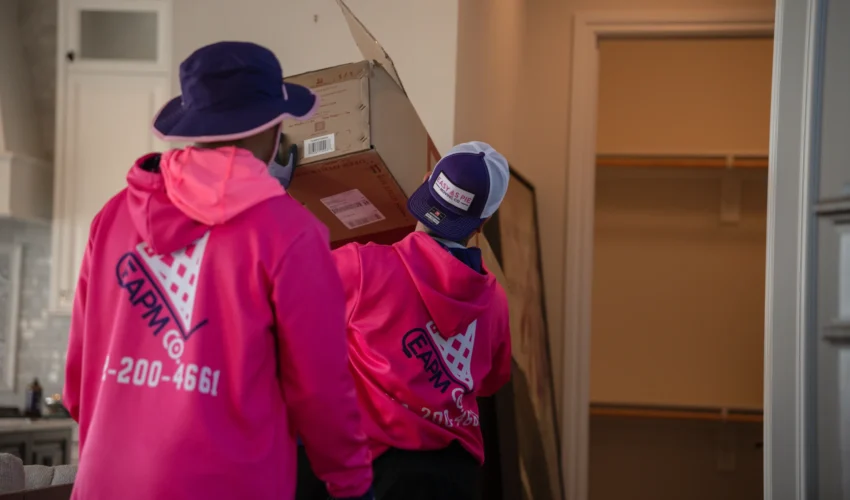
Day-Of Winter Moving Safety Tips
On moving day, dress in layers you can adjust as you move between heated spaces and cold outdoor areas. Cotton holds moisture and makes you colder. Choose synthetic or wool base layers that wick sweat away from skin.
Take warming breaks every 30 minutes when working outside in temperatures below 20°F. Frostbite can develop faster than people realize, especially on fingers, toes, and face. Keep hot beverages available and encourage everyone to step inside regularly.
Monitor weather conditions throughout the day. Nebraska winter weather can deteriorate quickly. If visibility drops, ice develops, or wind chill reaches dangerous levels, pause the move. No piece of furniture is worth risking injury or worse.
Keep sidewalks and driveways clear throughout the day. As boxes move in and out, snow gets tracked and compressed into slick patches. Assign someone to maintain clear paths, reapply salt or sand, and watch for new ice forming.
Protecting Furniture and Belongings From Temperature Extremes
Cold air damages certain items faster than people expect. Understanding what’s vulnerable helps you add extra protection where it matters most. These winter moving tips Omaha residents need can prevent costly damage to valuable belongings.
| Item Type | Cold Weather Risk | Protection Method |
|---|---|---|
| Wood furniture | Cracking, joint separation | Wrap in moving blankets, avoid direct cold exposure |
| Electronics | Condensation damage, screen cracks | Pack in original boxes with foam, warm gradually at destination |
| Plants | Freezing, shock | Transport in heated vehicle, cover completely |
| Leather items | Stiffening, cracking | Condition before move, wrap in breathable fabric |
| Musical instruments | Warping, tuning problems | Climate-controlled transport, acclimate slowly |
| Liquids (paint, cleaners) | Freezing, container bursting | Move separately in heated car, check labels for freeze warnings |
Let cold-sensitive items adjust to new temperatures gradually. Don’t immediately turn on a frozen television or place a cold wooden table near a heating vent. Rapid temperature changes cause more damage than steady cold.
Cardboard boxes lose strength in cold, wet conditions. Double-box fragile items and use plastic bins for anything valuable or moisture-sensitive. The winter storm preparedness recommendations include similar advice for protecting household goods during power outages, which applies to moving scenarios.
Day-Of Winter Moving Safety Tips
On moving day, dress in layers you can adjust as you move between heated spaces and cold outdoor areas. Cotton holds moisture and makes you colder. Choose synthetic or wool base layers that wick sweat away from skin.
Take warming breaks every 30 minutes when working outside in temperatures below 20°F. Frostbite can develop faster than people realize, especially on fingers, toes, and face. Keep hot beverages available and encourage everyone to step inside regularly.
Monitor weather conditions throughout the day. Nebraska winter weather can deteriorate quickly. If visibility drops, ice develops, or wind chill reaches dangerous levels, pause the move. No piece of furniture is worth risking injury or worse.
Keep sidewalks and driveways clear throughout the day. As boxes move in and out, snow gets tracked and compressed into slick patches. Assign someone to maintain clear paths, reapply salt or sand, and watch for new ice forming.
Frequently Asked Questions
Clear all ice and snow from driveways and walkways at least six hours before movers arrive. Use salt or sand for traction, dress in layers, and protect temperature-sensitive items like electronics and wood furniture with extra blankets. Monitor weather forecasts daily and have backup dates ready if conditions worsen.
Most professional movers won't operate when wind chill reaches dangerous levels (typically below -20°F) or during active blizzards. Between 0°F and 20°F, moves are possible but require extra safety breaks, protective gear, and careful monitoring of both people and equipment for cold-related problems.
Yes. Wood furniture can crack in extreme cold, leather stiffens, and electronics risk condensation damage from rapid temperature changes. Wrap vulnerable items in moving blankets, avoid leaving them in unheated trucks overnight, and let everything acclimate gradually to new temperatures before unpacking.
Professional movers are strongly recommended for moving in winter Nebraska conditions. They have proper equipment, insurance for weather delays, and experience navigating ice and snow safely. Winter rates are often lower than summer, making professional help more affordable when you need it most.
Apply ice melt or sand to all walkways, driveways, and stairs well before moving begins. Lay down rubber mats or carpet runners for extra traction. Wear boots with deep treads, take shorter steps on icy surfaces, and assign someone to maintain clear paths throughout the day as part of your winter moving tips Omaha strategy.
Ready to Book Your Winter Move?
Moving during Nebraska’s cold months requires more planning than summer relocations, but it’s entirely manageable with proper preparation. Focus on safety first, protect temperature-sensitive belongings, and don’t hesitate to hire professionals who understand winter logistics.
Get your free moving quote today and discuss your specific winter moving concerns with experienced Omaha and Lincoln movers. The right team makes cold-weather moves safe, efficient, and far less stressful than handling it alone in harsh conditions.
Ready to make a move? Get in touch today for an obligation-free guaranteed price moving quote.