
Relocating to Omaha from Out of State: Ultimate Checklist
An out of state move to Omaha brings a mix of excitement and planning challenges. This guide walks you through housing research, utility setup, neighborhood selection, and your first month tasks so you can settle into Nebraska’s largest city with confidence and less stress.
People relocate here from Denver, Chicago, Kansas City, and cities across the country for solid job opportunities, reasonable housing costs, and a genuine Midtown feel that bigger coastal metros have lost. The economy stays steady thanks to major employers in finance, healthcare, tech, and logistics. You’ll find four real seasons, friendly neighbors, and a metro area that still feels manageable even as it grows.
Why People Are Making an Out of State Move to Omaha
Omaha’s job market pulls in professionals from across the Midwest and beyond. Finance companies, insurance headquarters, healthcare systems, and distribution centers keep hiring. Many people transfer here with existing employers, while others chase lower costs and better work-life balance with their out of state move to Omaha. Lincoln, about an hour southwest, attracts state government workers, university staff, and families wanting a smaller city vibe while staying close to Omaha’s amenities.
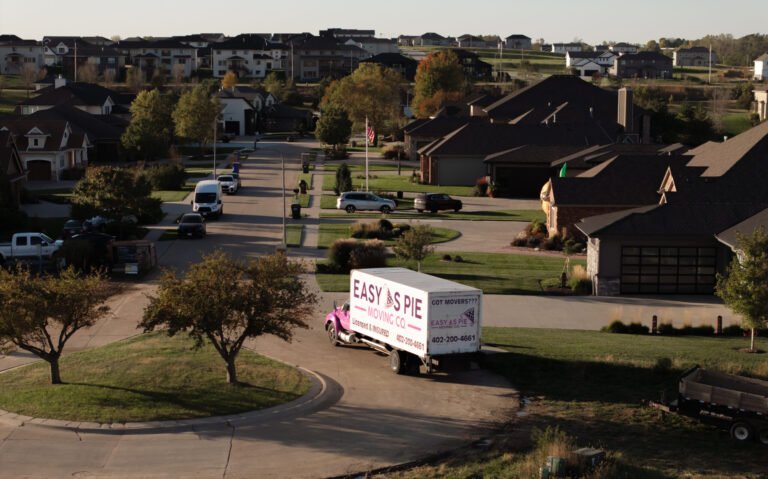
Housing prices remain reasonable compared to West Coast and East Coast markets. You’ll pay significantly less for a home here than in Denver or Chicago, and rent stays competitive even as inventory shifts. The metro continues to build new neighborhoods in West Omaha and surrounding communities like Papillion and La Vista, giving newcomers plenty of options whether they’re buying or renting.
Researching Neighborhoods and Housing for Your Out of State Move to Omaha
Different parts of the Omaha metro serve different needs. West Omaha draws families with newer construction, good schools, and shopping centers. Midtown offers older homes with character, walkable streets, and proximity to local restaurants and coffee shops. Benson and Dundee bring an artsy, eclectic feel with vintage homes and community events. South Omaha has strong cultural roots and more affordable pricing.
Nearby communities expand your choices. Papillion and La Vista sit just southwest of Omaha with their own school districts and growing commercial areas. Bellevue anchors the south metro near Offutt Air Force Base. Elkhorn, now part of Omaha, gives a small-town feel on the western edge. If you want even more space, Council Bluffs sits right across the Missouri River in Iowa with lower property taxes.
Start your housing search online using major real estate platforms, but consider visiting before you commit. The market has seen more listings lately, giving buyers and renters better selection than a few years ago. Days on market vary by neighborhood and price point. Work with a local real estate agent who understands your timeline and can show you areas that match your commute, schools, and lifestyle needs when planning your out of state move to Omaha.
Your Interstate Move to Nebraska: Logistics & Movers
Planning an interstate move to Nebraska requires more coordination than a local move. Lock in your moving dates early, especially if you’re moving during summer when demand peaks. Get quotes from licensed interstate movers who understand timing around lease endings, home closings, and work start dates. Verify their USDOT number and check reviews from people who made similar moves.
Key logistics to nail down:
Moving dates and delivery window
Interstate moves often have a pickup date and a delivery window spanning several days
Access at both locations
Confirm parking, elevator reservations, and any building restrictions at your old and new homes
Insurance coverage
Understand what the mover covers and whether you need additional protection for high-value items
Payment terms
Know when deposits are due and what payment methods they accept on delivery day
Inventory list
Document everything being loaded so you can verify nothing goes missing
If you’re handling an interstate move to Nebraska from cities like Denver or Chicago, experienced movers will coordinate timing, provide accurate estimates, and help you avoid common mistakes that cost money and create stress. The process of completing an out of state move to Omaha becomes smoother when you work with movers who handle long-distance relocations regularly.
Packing, Decluttering, and Travel Plans for Your Move
Use your move as a chance to declutter. Moving costs often depend on weight or cubic feet, so every item you donate or sell saves money. Go through each room and separate items into keep, sell, donate, and trash piles. Omaha has Goodwill locations, Habitat for Humanity ReStores, and neighborhood Facebook groups where you can offload usable items before your out of state move to Omaha.
Start packing non-essentials six weeks before your move date. Label boxes clearly with room names and brief contents. Pack a separate “first night” box with essentials like toiletries, phone chargers, snacks, and basic kitchen items so you’re not digging through everything when you arrive exhausted. Keep important documents, medications, and valuables with you during the drive or flight rather than loading them on the truck.
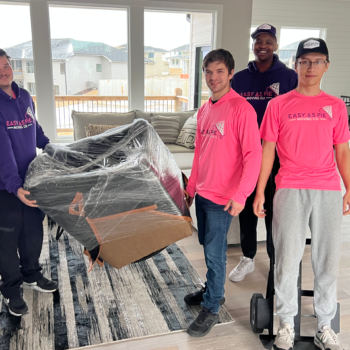
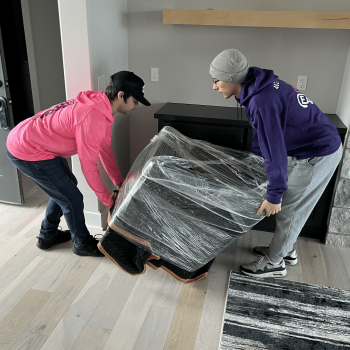
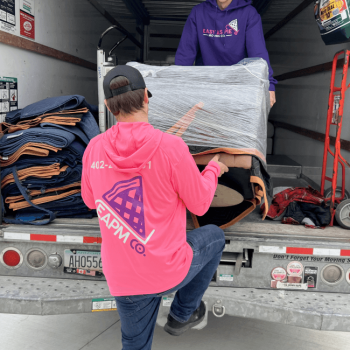
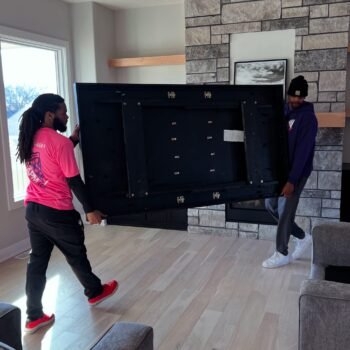
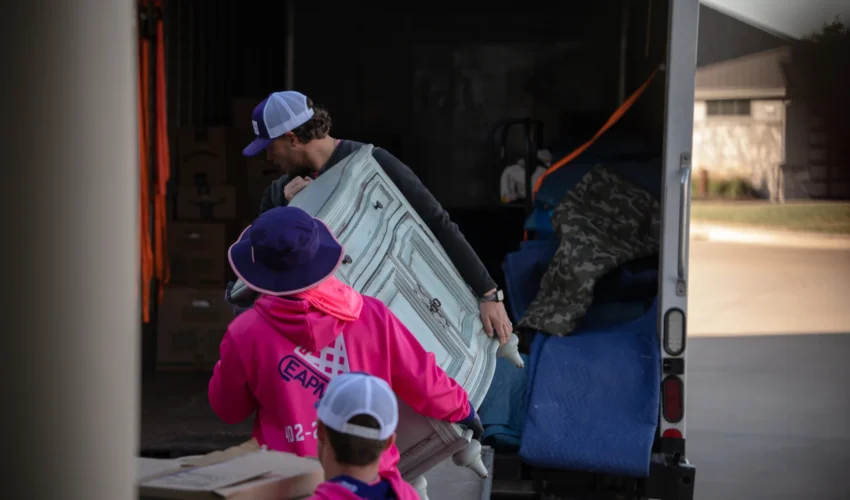
Many people moving from Denver to Omaha or other multi-day drives need help with the physical work. Professional packing services handle fragile items, wrap furniture, and load trucks efficiently. If you’re renting a truck or using a container, getting help loading your moving truck or container prevents injury and damaged belongings.
Plan your travel route and timing. If you’re driving, the trip from Denver takes about eight hours, while Chicago sits roughly seven to eight hours away depending on your exact locations. Book hotels in advance if you’re splitting the drive. If you’re flying in before or after your belongings arrive, arrange temporary housing or confirm your new place will be accessible.

Setting Up Utilities, Internet, and Services
New residents need to connect utilities before move-in day. Omaha’s electric service comes through Omaha Public Power District (OPPD), which serves most of Douglas County. You’ll need to set up an account, provide your move-in date, and pay any required deposits. Natural gas, water, and sewer service come from Metropolitan Utilities District (MUD). Start both services at least a week before you arrive to ensure everything’s running when you walk in the door.
Internet and cable options include Cox, CenturyLink, and several smaller providers depending on your exact address. Check availability and pricing before you move, as speeds and packages vary by neighborhood. Many people bundle internet with streaming services rather than traditional cable.
| Utility/Service | Provider | Contact Info | Setup Timeline |
|---|---|---|---|
| Electricity | OPPD | oppd.com | 1 week before move |
| Gas, Water, Sewer | MUD | mudomaha.com | 1 week before move |
| Internet/Cable | Cox, CenturyLink | Provider websites | 1-2 weeks before |
| Trash Collection | City of Omaha | omaha.net | Included with water bill |
Call or visit provider websites to start service. Some require in-person identity verification or deposits based on credit checks. Budget for connection fees and first-month charges that may be higher than your regular monthly bills.
Your First 30 Days in Omaha
Once you arrive, certain tasks need immediate attention while others can wait a few weeks. Prioritize getting legal requirements handled so you avoid fines or complications after your out of state move to Omaha.
Week One:
- Do a walk-through of your new home and document any issues for your landlord or home warranty
- Locate the nearest grocery store, pharmacy, gas station, and urgent care
- Update your address with the post office, banks, credit cards, and insurance companies
- Register kids for school if you're moving during the school year
Week Two:
- Transfer your driver's license to Nebraska at a DMV office (you have 30 days after establishing residency)
- Register your vehicle and get Nebraska plates (also within 30 days)
- Find a primary care doctor, dentist, and vet if you have pets
- Explore your neighborhood and introduce yourself to neighbors
Week Three:
- Register to vote if you plan to participate in local elections
- Set up local bank accounts if your current bank doesn't have branches here
- Join community groups, gyms, or clubs that match your interests
- Research local restaurants, coffee shops, and weekend activities
Week Four:
- Review your moving expenses and file any insurance claims if items were damaged
- Update your emergency contacts and make sure family knows your new address
- Plan any secondary moves if you're in temporary housing
Many people need to move again within the Omaha metro after a few months once they’ve figured out which neighborhood fits best or if they started in a short-term rental while house hunting.
Making Omaha Home After Your Interstate Relocation
An out of state move to Omaha gets easier when you approach it with a clear relocation checklist Omaha newcomers can actually use. The metro offers genuine community, stable employment, and a cost of living that lets you build a life without constant financial stress. People often discover the Midwest friendliness is real, not just a stereotype.
Give yourself time to adjust. Every city has its quirks, from how people give directions to where locals actually hang out. Join neighborhood Facebook groups, attend community events, and ask coworkers for recommendations. The more you engage, the faster Omaha starts feeling like home instead of just a new address.
When you’re planning an out of state move to Omaha, a clear checklist and a trusted team can make the transition feel a lot more manageable. Focus on one week at a time, celebrate small wins like getting your license transferred or finding a great local coffee shop, and remember that settling in is a process, not a single event. The experience of your out of state move to Omaha becomes less overwhelming when you break everything into weekly goals instead of trying to handle it all at once.
Frequently Asked Questions
Interstate moving costs depend on distance, home size, and services needed. A typical out of state move to Omaha from Chicago or Denver ranges from $2,500 to $6,000 for a two to three bedroom home using professional movers. Costs increase if you need packing services, storage, or move during peak summer months. Get quotes from multiple licensed companies before booking.
Omaha gets cold winters with snow, ice, and temperatures regularly dropping below freezing from December through February. Invest in a good winter coat, snow boots, and an ice scraper for your car. Most streets get plowed quickly, but side streets can stay slippery. Homes have good heating systems, and locals continue normal activities all winter.
Yes, Nebraska law requires you to get a Nebraska driver's license within 30 days of establishing residency. Visit a Nebraska DMV office with your current license, proof of identity, proof of residency, and payment for the license fee. You'll also need to register your vehicle and get Nebraska plates within the same timeframe.
West Omaha attracts many families with newer homes, highly rated schools, and family-friendly amenities. Papillion and La Vista offer similar benefits just south of the city. Midtown neighborhoods like Dundee provide older homes with character and walkable streets. Visit different areas before deciding, as each neighborhood has distinct personalities and price points.
Contact OPPD for electricity and MUD for gas, water, and sewer at least one week before your move-in date. You'll need to create accounts, provide your new address, and potentially pay deposits. Internet service comes from providers like Cox or CenturyLink. Trash collection is included with your water bill through the City of Omaha.
Ready to make a move? Get in touch today for an obligation-free guaranteed price moving quote.