
Winter Moving Tips Omaha: Weather-Proof Your Move Safely
Moving in winter Omaha NE presents unique challenges that catch most people off guard. Between unpredictable snowstorms, icy sidewalks, and subzero windchills, relocating during Nebraska’s coldest months requires different strategies than a summer move.
But thousands of Omaha residents successfully move during winter every year. The secret isn’t just luck. It’s understanding how cold weather affects everything from your belongings to your timeline, and having practical winter moving tips Omaha professionals actually use on the job.

Why Winter Moves Happen (And the Hidden Benefits)
Winter isn’t peak moving season, which creates unexpected advantages. Rental prices typically drop between November and February, and landlords become more flexible with lease terms when vacancies are harder to fill. Moving companies have better availability and sometimes reduce rates during slower months.
The tradeoff is obvious: you’re battling weather that can shift from manageable to dangerous within hours. A calm 35-degree morning can turn into a blizzard by afternoon. That’s why planning your move requires more flexibility than following general moving tips that work fine in summer but fall apart when you’re dealing with ice.
The 48-Hour Weather Window Strategy
Start checking forecasts obsessively five days before your move date. You need more than just temperature readings. Watch precipitation chances, wind speeds, and road condition reports. The National Weather Service Omaha forecast provides detailed predictions that go beyond what standard weather apps show, including specific warnings for Douglas and Sarpy counties.
If a storm is predicted within 24 hours of your move, reschedule without hesitation. The cost of changing plans is nothing compared to the risk of injuries, damaged belongings, or getting a moving truck stuck on an unplowed street. Winter movers Omaha companies build scheduling flexibility into their contracts because they know Nebraska weather changes fast.
Have a backup date confirmed when you initially book your move. If you’re handling the relocation yourself, rent the truck for an extra day so you’re not forced to drive in hazardous conditions just because the rental period ends at 5 PM.
Protecting Furniture in Cold Weather Moves
Cold weather actively damages your possessions. Electronics, wood furniture, and plants react badly to temperature extremes. Plasma TVs and LCD screens crack below 40 degrees. Wood furniture warps when moved from heated homes into freezing trucks and back.
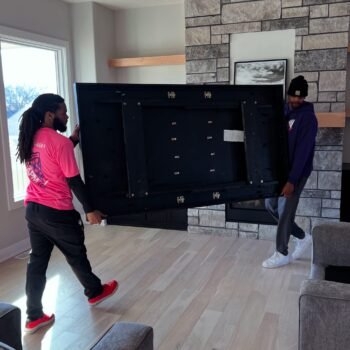
For protecting furniture in cold weather moves, pack temperature-sensitive items last and unload them first. Wrap electronics in moving blankets and transport them in your heated vehicle when possible. Let wooden pieces acclimate gradually after bringing them inside. Don’t immediately crank your thermostat to 75 degrees with frozen furniture in the room. Slow warming prevents cracking.
Plants present the biggest challenge. Most won’t survive even a brief trip in a freezing truck. Wrap pots in newspaper, cover foliage with paper bags, and transport them in your heated car.
Winter Moving Safety Checklist: Ice and Snow Prep
Learning how to move in snow safely starts with pathway preparation. Begin clearing all walkways, driveways, and stairs two days before your move. Reapply ice melt the night before and again the morning of moving day.
Your winter moving safety checklist must include proper footwear. You need boots with deep treads or slip-on ice cleats if conditions are severe. When carrying heavy furniture, take smaller loads. Your grip strength decreases in cold weather, and bulky winter gear reduces mobility.
Create safe paths by laying cardboard or plywood sheets over icy sections you can’t fully clear. For detailed preparation beyond weather-specific items, use a complete moving checklist that covers everything from weeks before moving day through final walk-throughs.
Vehicle Preparation for Winter Moving
Keep an emergency kit in the cab with:
- Thick blankets
- Flashlight with fresh batteries
- Phone charger
- Snacks and bottled water
- Small collapsible shovel
The U.S. Department of Transportation winter driving tips emphasize braking earlier, taking turns wider, and leaving extra space between vehicles. These aren’t suggestions when you’re piloting a loaded truck.
DIY vs. Hiring Professionals for Winter Moves
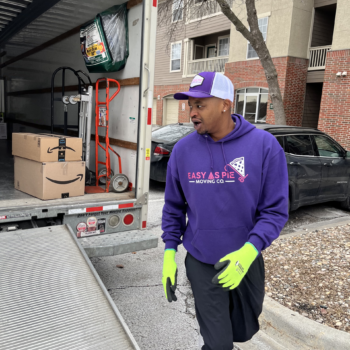
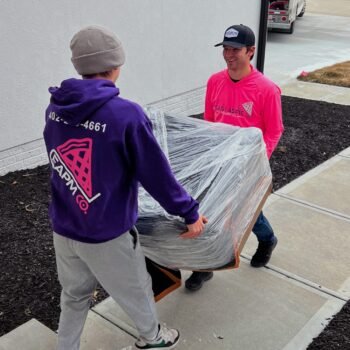
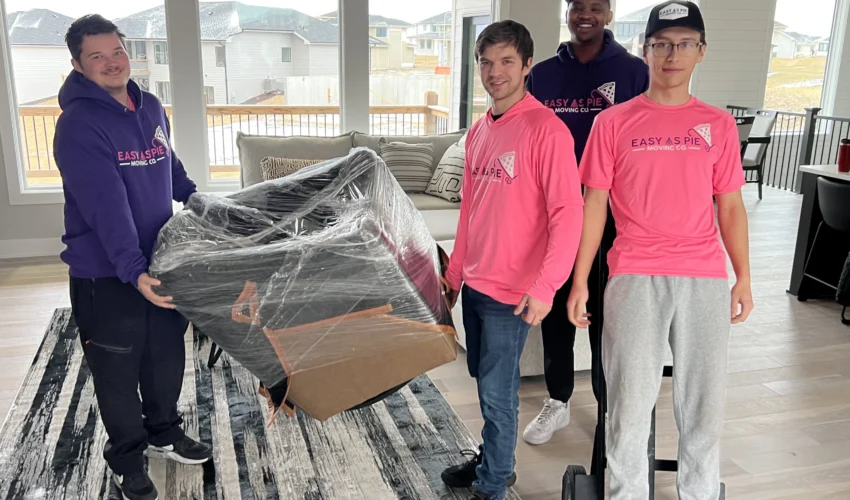
I’ve helped friends move during an Omaha January, and I’ve also hired professional movers for a February relocation. The difference was dramatic. Professional moving companies deal with winter conditions daily. They know how to navigate icy parking lots, protect belongings from moisture, and adjust schedules when weather turns dangerous.
Same day movers Omaha winter services can rescue you if your closing date falls during a cold snap. Professional crews bring equipment designed for winter work: non-slip mats, weatherproof padding, and properly equipped vehicles. They also carry comprehensive insurance, which matters more when conditions increase accident risks.
Best Time of Year to Move in Omaha
If you can freely choose your moving date, target late March through May or September through early November. You’ll avoid both winter’s ice and summer’s extreme heat. When locked into a winter move, mid-week days typically have better road conditions. For local moving services in Omaha, companies familiar with Nebraska winters can advise on the safest days based on forecasts.
What to Pack Differently for Cold Weather
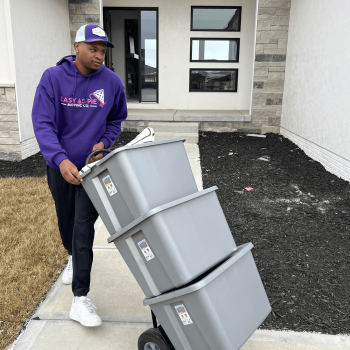
Standard cardboard boxes absorb moisture quickly in snow. Use plastic storage bins for items you care about most. Keep garbage bags handy to wrap boxes and furniture during transport.
Your winter moving tips Omaha preparation needs cold-specific additions: extra packing tape (regular tape loses adhesion in extreme cold), hand warmers, multiple pairs of work gloves, and towels for wiping moisture. A full pre-move checklist adapted for winters includes extras summer movers never consider.
Loading Strategy for Cold Weather
Work in shorter rotation shifts. Twenty minutes of heavy lifting in subzero windchill is enough before someone needs a break. According to CDC cold-weather safety guidance, frostbite and hypothermia develop faster than most people realize, especially when clothing gets damp.
Load the truck efficiently so you’re not searching through cargo in freezing temperatures. Label boxes clearly and create a simple unloading system. At your new location, designate one warm staging area where items can be sorted before distribution.
The Real Cost of Moving in Winter Omaha NE
Moving company Omaha in winter rates might be lower than summer peaks, but factor in additional expenses: ice melt, winter gear, or extra days if weather forces delays. For local Omaha moves during winter, companies familiar with Omaha neighborhoods know which streets get plowed first.
Whether you hire professionals or move yourself, following these winter moving tips Omaha residents have learned will help you avoid cold-weather disasters. Check forecasts obsessively, prepare pathways thoroughly, protect temperature-sensitive belongings carefully, and never rush when conditions are questionable. Build extra time into every phase of your timeline, and your winter move will go smoothly despite the snow.
Start by monitoring weather forecasts five days out and have a backup date ready. Clear and salt all pathways 48 hours before moving, wear boots with aggressive tread, and pack temperature-sensitive items last. Following winter moving tips Omaha professionals use means prioritizing safety over speed every time.
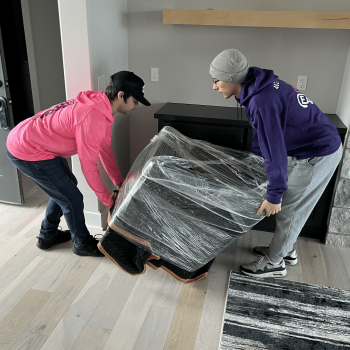
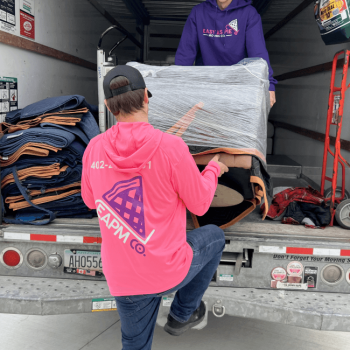
Wrap all furniture in moving blankets and plastic sheeting to shield against moisture and cold. After moving frozen furniture inside, let it warm gradually over several hours. Rapid temperature changes cause wood to crack or warp. Protecting furniture in cold weather moves requires patience and proper materials.
Professional winter movers Omaha companies have equipment designed for cold weather, experience navigating icy conditions, and comprehensive insurance coverage. DIY moves work for smaller relocations with adequate help, but professionals significantly reduce risk and stress during winter.
Late March through May and September through early November offer the best conditions. You'll avoid winter ice while missing summer's extreme heat. If you must move during winter, target mid-week dates when roads receive better maintenance. The best time of year to move in Omaha depends on your priorities.
Your checklist needs quality ice melt, boots with deep tread, moisture-resistant packing materials, emergency vehicle supplies (blankets, flashlight, phone charger, water, shovel), hand warmers, multiple gloves, and towels. Learning how to move in snow safely means preparing for worst-case scenarios with these winter moving tips Omaha professionals recommend.
Ready to make a move? Get in touch today for an obligation-free guaranteed price moving quote.